Artificial intelligence is leaving the chat box and acquiring memory, voice, identity, money, and bodies. As action becomes cheap, judgment becomes the scarce thing—and the question of what its hands are for remains ours.
Computation is starting to leave the biosphere. Orbital data centers would let part of the Earth's thinking happen off-world—an opening that is neither sacred nor profane, only moral.
We taught sand to think. The miracle is not that matter became strange, but that the human animal learned to see forms hidden inside ordinary things and build the knowledge to reveal them.
Improvement is not only a matter of moving downhill. It is also a matter of choosing which valley is worth descending into.
Winners keep winning. That's the whole point. The lesson isn't to try harder at their game. It's to build a monopoly in one they haven't found yet, while the rules are still being rewritten and the leverage is free.
Deutsch’s gift is not a set of claims. It’s a lens: progress as the production of good explanations—and the moral demand to keep error-correction alive.
Restraint is not austerity. It is the discipline of knowing what to leave out—and having the nerve to do it.
The centaur was human judgment augmented by machine power. The reverse centaur is human labor subordinated to machine logic. We are becoming the horse.
Specialization was the 20th century's answer to complexity. The 21st century is discovering it was the wrong question.
Attention spans have collapsed from 2.5 minutes to 40 seconds in two decades. This is not a personal failing. It is an engineered outcome.
Integrity is priceless, even when expensive. Betrayal—of others or yourself—costs far more.
In the austere marble visions of ancient Rome, a full life was conceived as a mosaic of many parts, each tessera contributing its own brilliance to the greater whole. The ideal citizen of the Republic was expected to begin as a soldier, honing body and spirit on the battlefield. This was no mere martial posturing; it was a rite of passage, a crucible through which courage and discipline were forged. The next phase called for the role of merchant or entrepreneur, extracting profit from the unruly seas of commerce and learning the art of negotiation and resourcefulness. Finally, when wisdom had been chiseled by the hand of experience, the citizen would ascend to politics—a domain for the wrinkled and worldly, where philosophical musings and rhetorical flourishes danced uneasily with power plays and poison-tipped daggers. This triptych of soldier, merchant, and statesman was no accidental sequence; it was a deliberate strategy, a life philosophy that embraced the full spectrum of human potential.
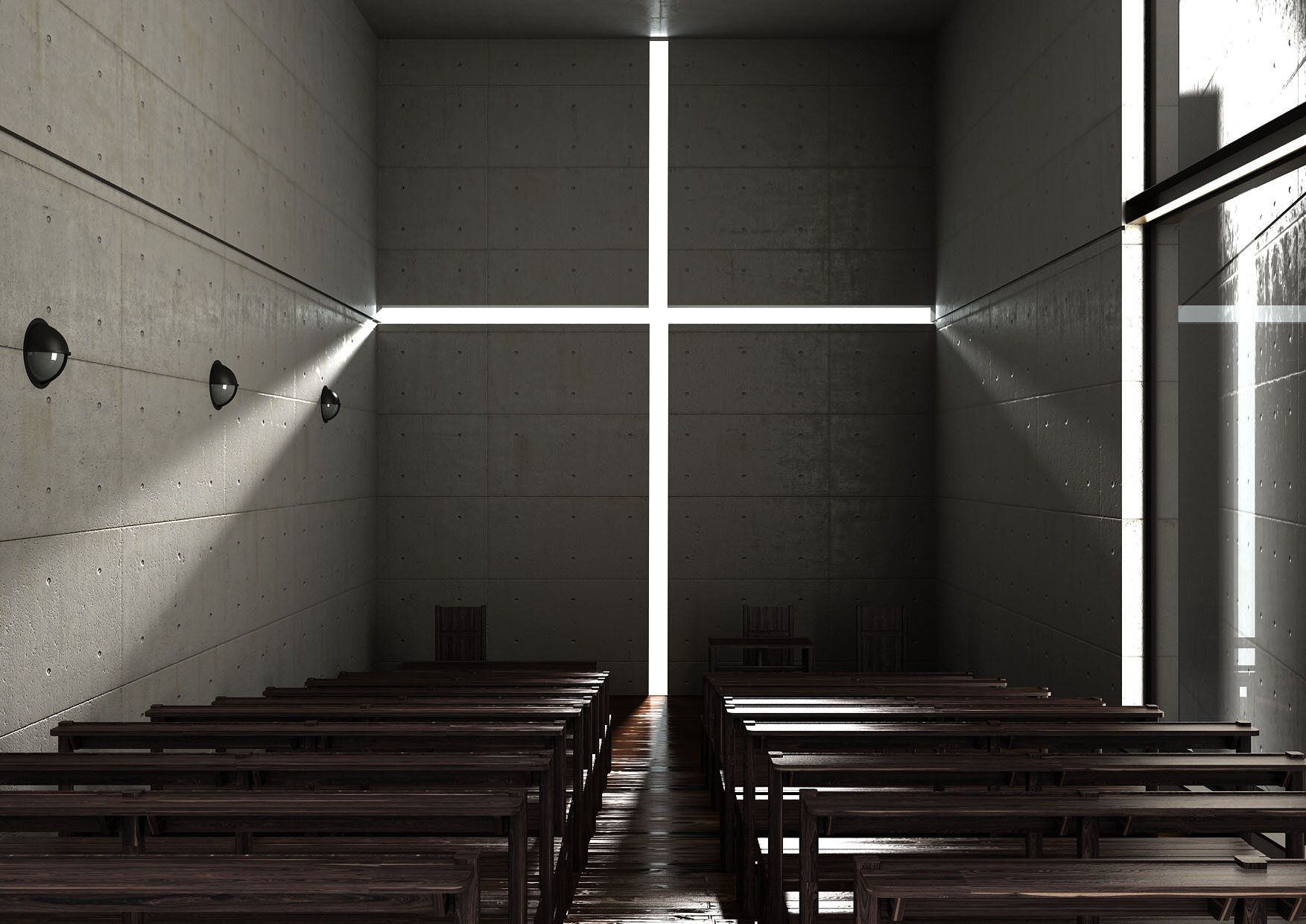
In a world saturated with noise—literal, visual, and ideological—it is increasingly rare to encounter spaces that insist upon silence. Yet this is precisely what the work of Tadao Ando accomplishes: an audacious refusal to capitulate to the clamor of modernity. Ando’s structures, which temper the severity of concrete with the capriciousness of light, are not mere buildings but sanctuaries for the mind and soul. They embody a principle that has been all but forgotten in contemporary architecture: the power of restraint.
To understand Marcel Proust is to accept the absurd and improbable fact that one of the greatest literary achievements in human history emerged not from a life of action, but from one of inaction—a life largely spent in bed. And not just any bed, mind you, but a fortress of hypersensitivity, meticulously arranged to shield its inhabitant from the twin horrors of modernity: noise and drafts.