The Simple Genius of Rick Rubin
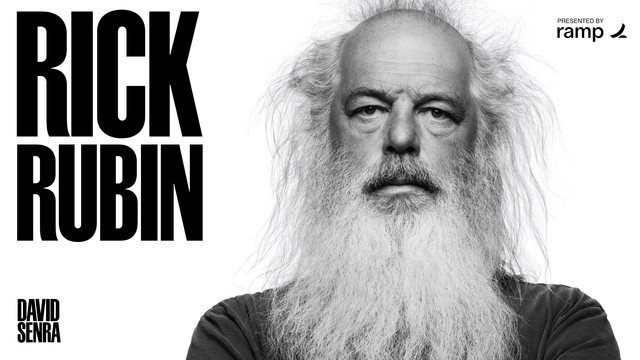
David Senra traces Rick Rubin’s career and the ruthless reduction, deep listening, and creative restraint behind his work.
Art, history, places, and the textures of public life.
David Senra traces Rick Rubin’s career and the ruthless reduction, deep listening, and creative restraint behind his work.
Attention spans have collapsed from 2.5 minutes to 40 seconds in two decades. This is not a personal failing. It is an engineered outcome.
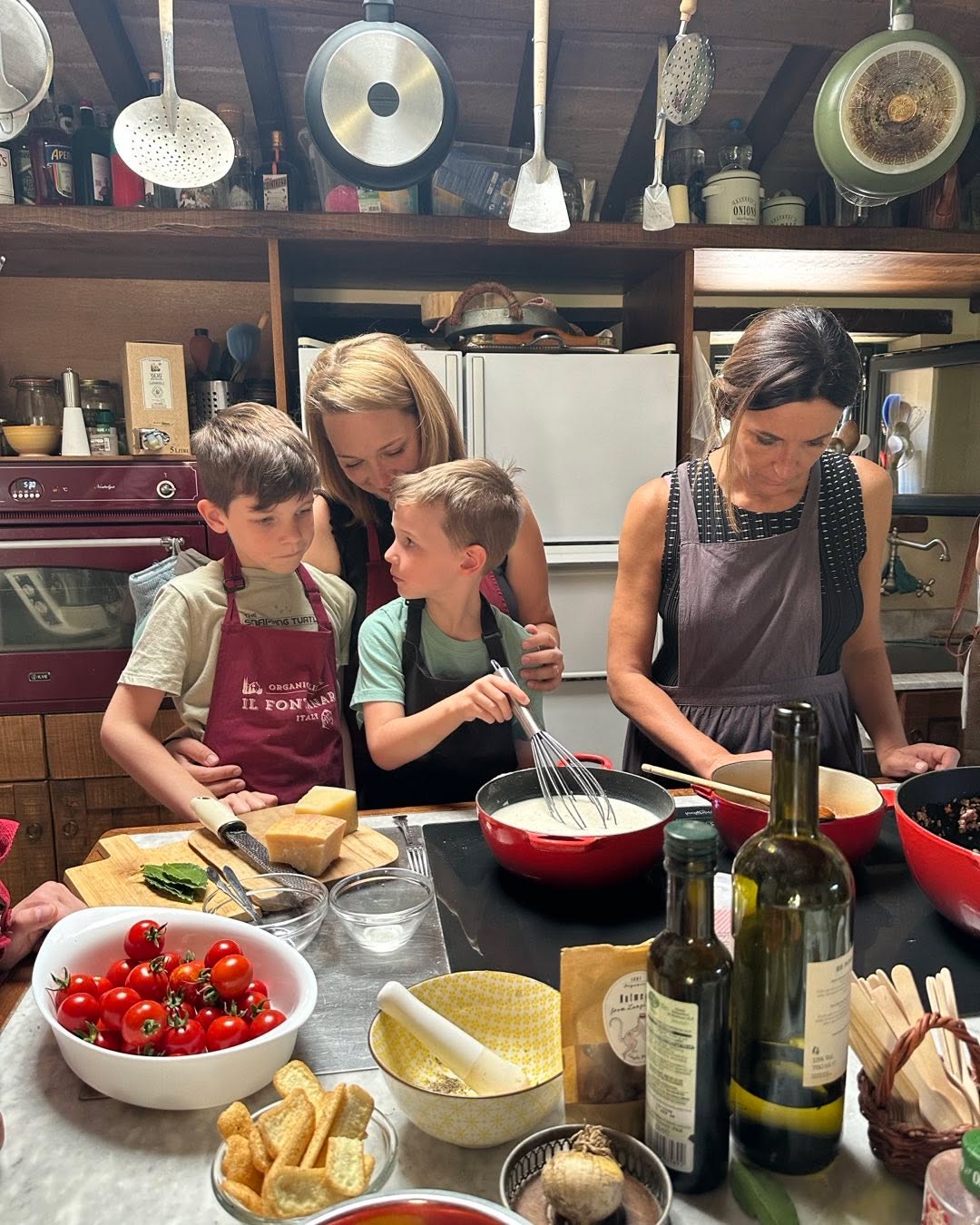
The best family travel does not optimize children out of the experience. It finds a place where everyone wants the same things at the same time. Italy seems to have been built for exactly this.
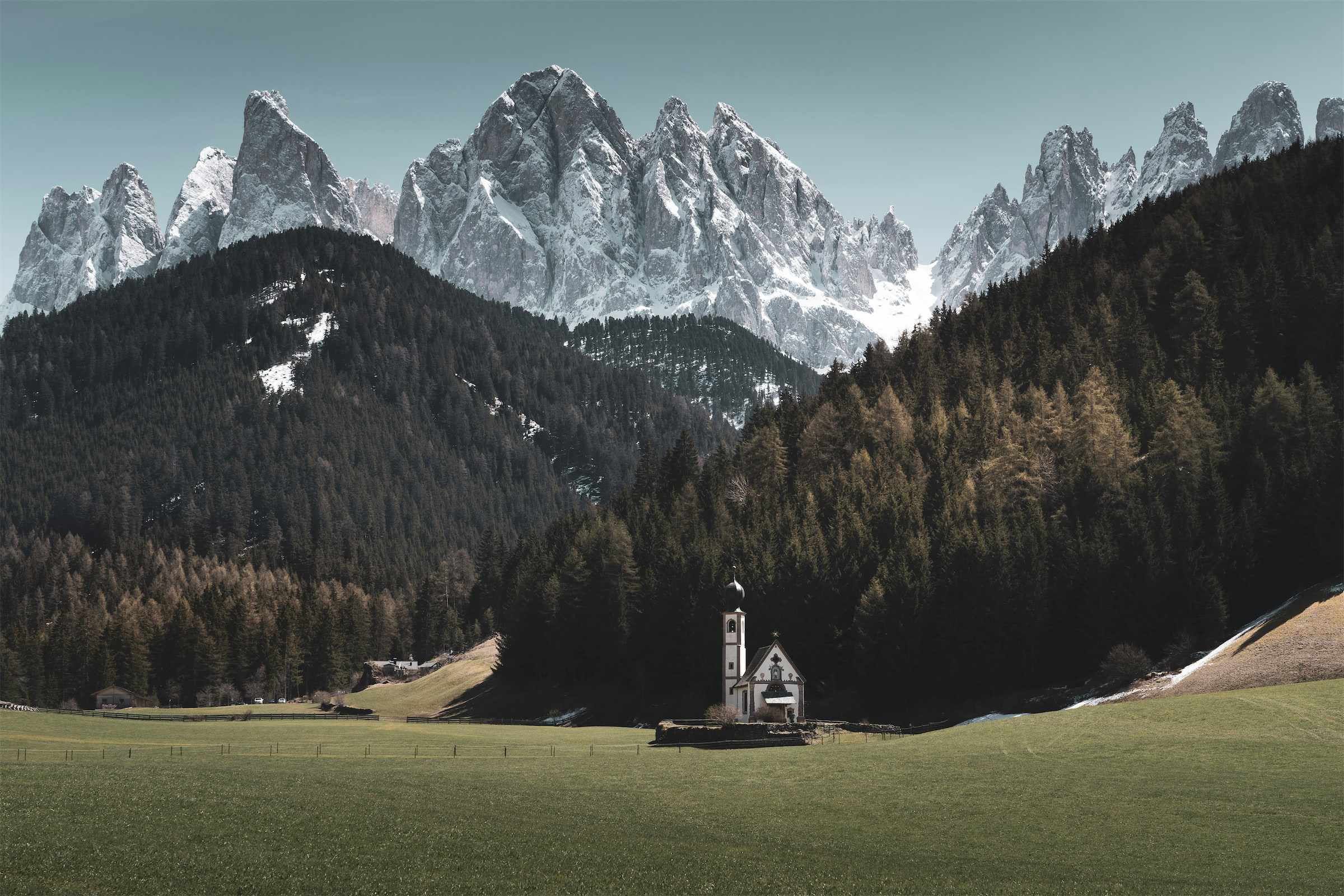
The calm here is elemental—woven from its geography as much as from its people. There is a profound sense of order in the valleys and along the ridgelines. Nothing is unsightly. Every stone, every roofline seems placed with an unspoken precision.
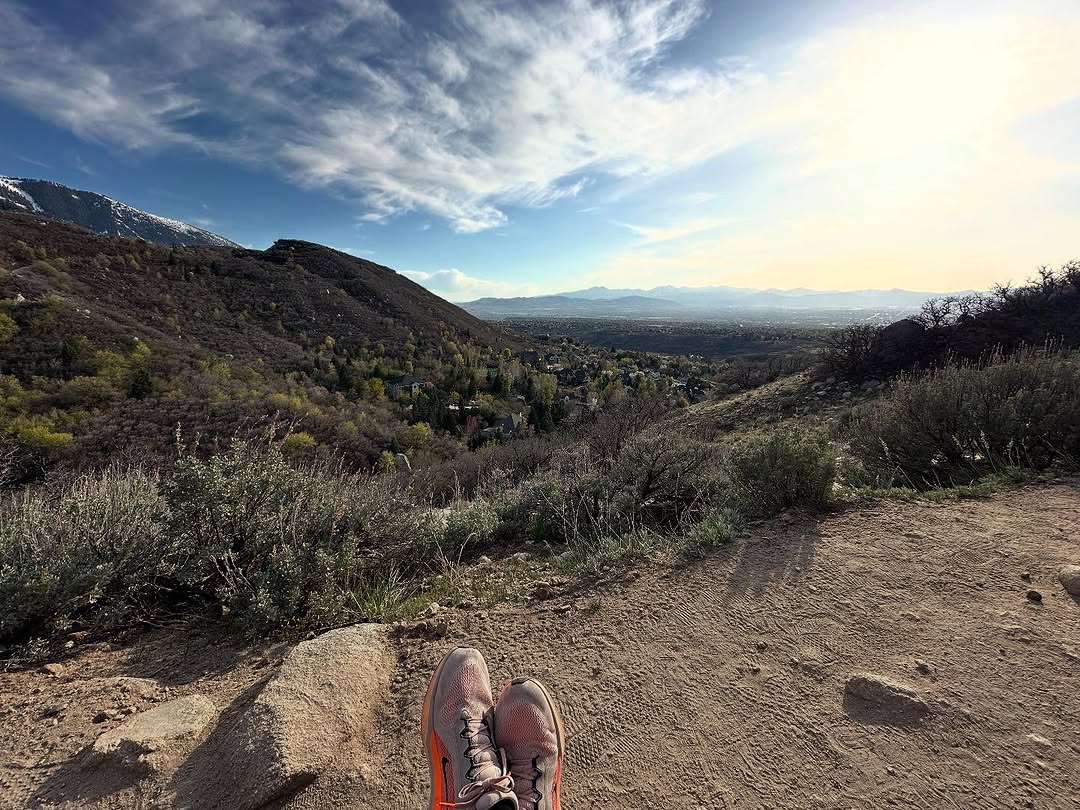
From Bell Canyon, Sandy spreads out below while the mountains rise behind you. It is a rare arrangement: the conveniences of a real city pressed against the edge of genuine wilderness.
In 1587, Queen Elizabeth I’s spymaster, Francis Walsingham, achieved one of the great coups in the history of espionage. Using little more than intercepted letters, ciphers, and the occasional tortured confession, Walsingham exposed the Babington Plot, a conspiracy to assassinate Elizabeth and place Mary, Queen of Scots, on the throne. Walsingham's reward? Eternal gratitude from the queen, the continued survival of Protestant England—and, one imagines, the sort of satisfaction that only comes from outwitting murderous aristocrats. His tools were crude, but his mission was clear: decode the enemy before they destroy you.

Amidst a parade of electric vehicles that resemble sullen rectangles and expressionless bars of soap, Rivian's R3 emerges as a pleasant anomaly—proof that design doesn't have to surrender to the soulless tyranny of efficiency. It doesn’t look like it was drawn by an algorithm on a tight deadline, nor does it aspire to double as a Blade Runner prop. Instead, it dares to be approachable, elegant, and, most shockingly of all, human. The R3 suggests that the electric future need not sacrifice warmth and charm at the altar of technological inevitability.
There was a time, not so distant, when the artist’s labor was a rebellion against oblivion—a furious demand to be seen, heard, or understood across the gulfs of time. Caravaggio’s chiaroscuro wrestled with mortality itself; James Joyce redefined the limits of language as though daring humanity to keep up. Today, that struggle has been outsourced to a cold and unfeeling steward: the Algorithm, a faceless arbiter whose only metric is engagement, a deity whose offerings are served with a side of irrelevance.
In the austere marble visions of ancient Rome, a full life was conceived as a mosaic of many parts, each tessera contributing its own brilliance to the greater whole. The ideal citizen of the Republic was expected to begin as a soldier, honing body and spirit on the battlefield. This was no mere martial posturing; it was a rite of passage, a crucible through which courage and discipline were forged. The next phase called for the role of merchant or entrepreneur, extracting profit from the unruly seas of commerce and learning the art of negotiation and resourcefulness. Finally, when wisdom had been chiseled by the hand of experience, the citizen would ascend to politics—a domain for the wrinkled and worldly, where philosophical musings and rhetorical flourishes danced uneasily with power plays and poison-tipped daggers. This triptych of soldier, merchant, and statesman was no accidental sequence; it was a deliberate strategy, a life philosophy that embraced the full spectrum of human potential.
To understand Marcel Proust is to accept the absurd and improbable fact that one of the greatest literary achievements in human history emerged not from a life of action, but from one of inaction—a life largely spent in bed. And not just any bed, mind you, but a fortress of hypersensitivity, meticulously arranged to shield its inhabitant from the twin horrors of modernity: noise and drafts.
On my office shelf, a photograph of my father stands watch—silent, unchanging, and, in a way, unknowable. In it, he carries wood planks over his shoulder, his grin a fragment of unselfconscious joy. Behind him, the ski chalet he restored stands like a monument to competence and optimism. It’s the sort of picture that captures a person not as they were in their totality but as they might wish to be remembered—a distillation, free of the messier truths of illness, fatigue, or the gradual erosion of character that time so often imposes.